Context
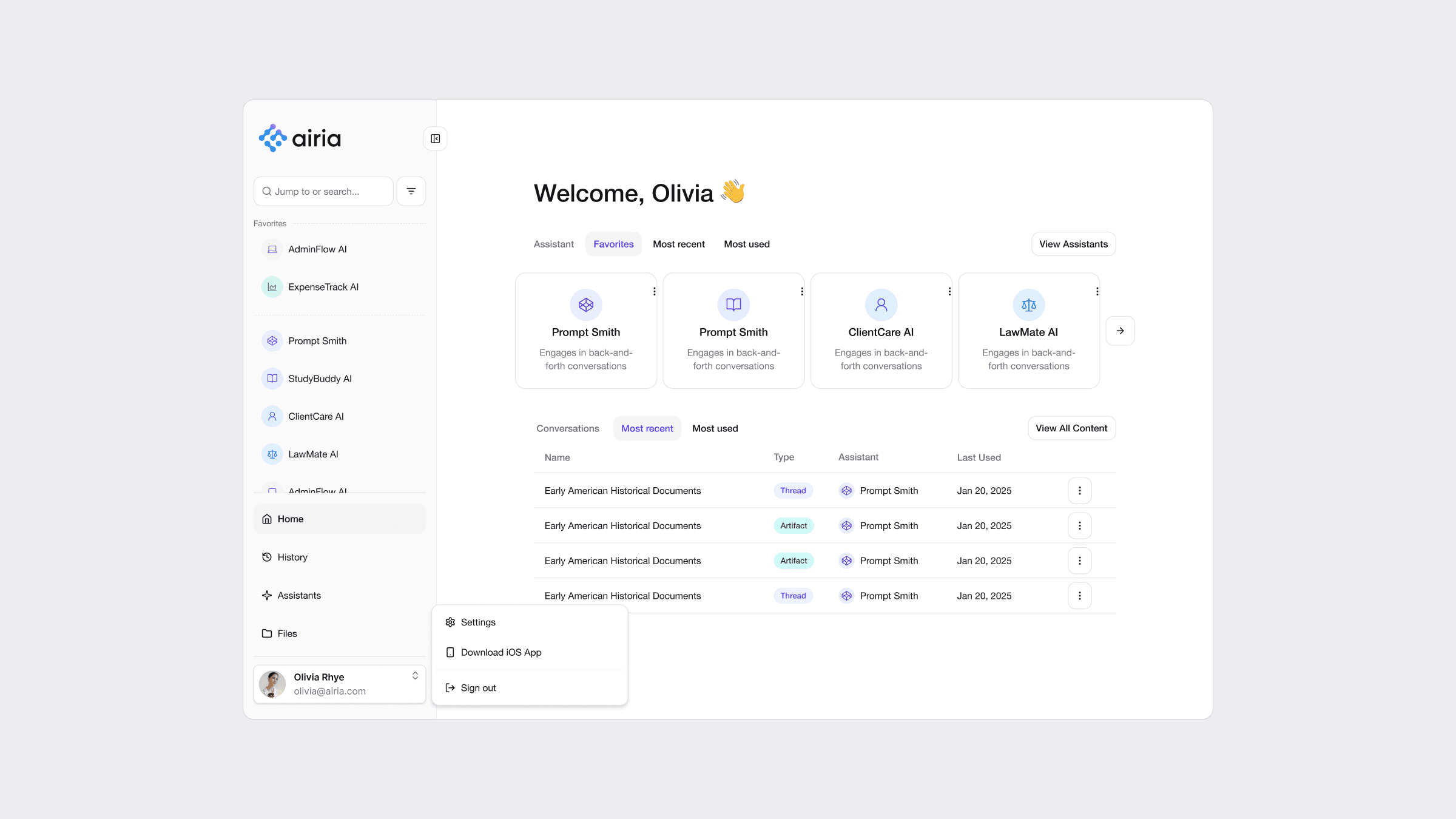
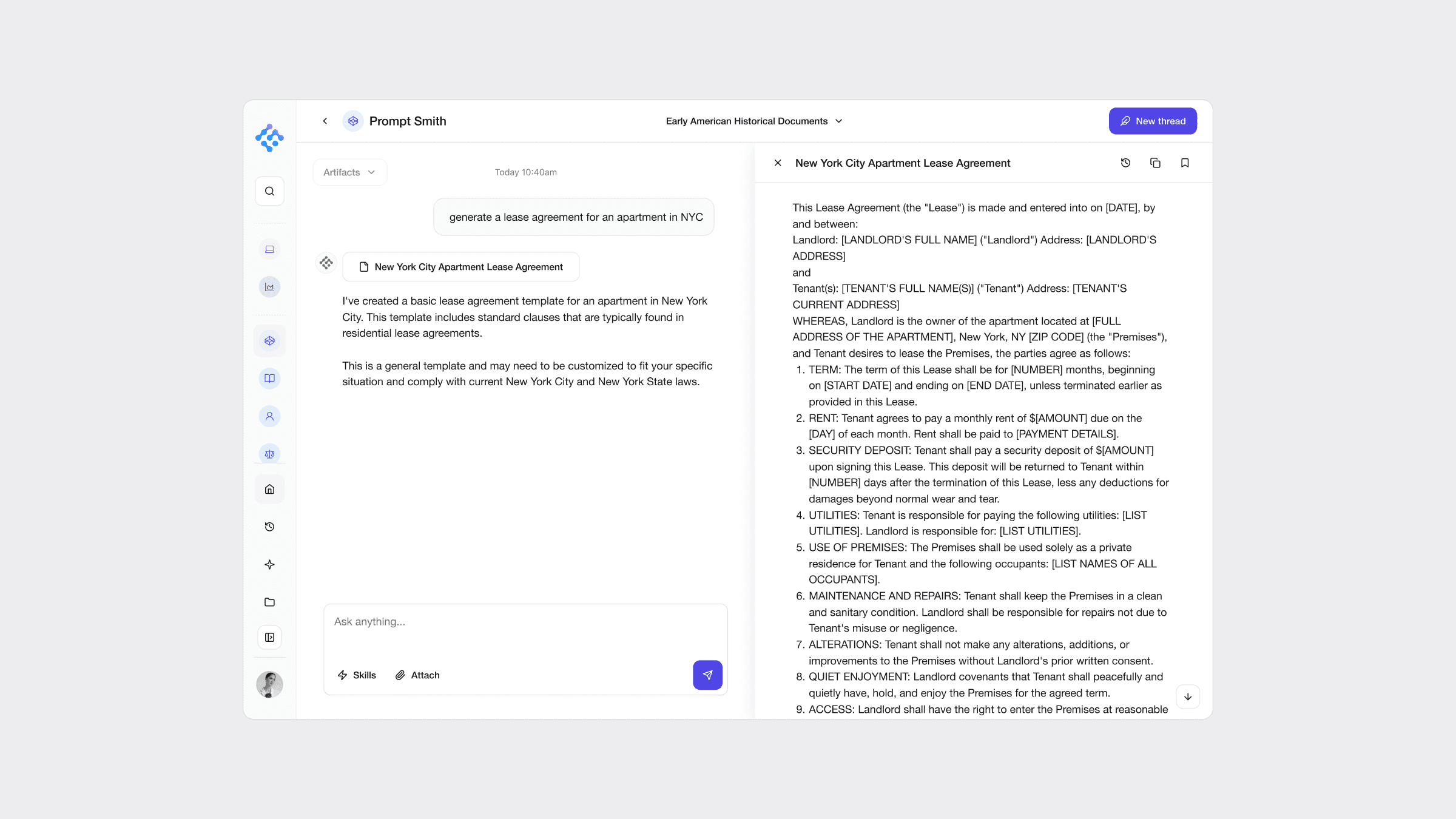
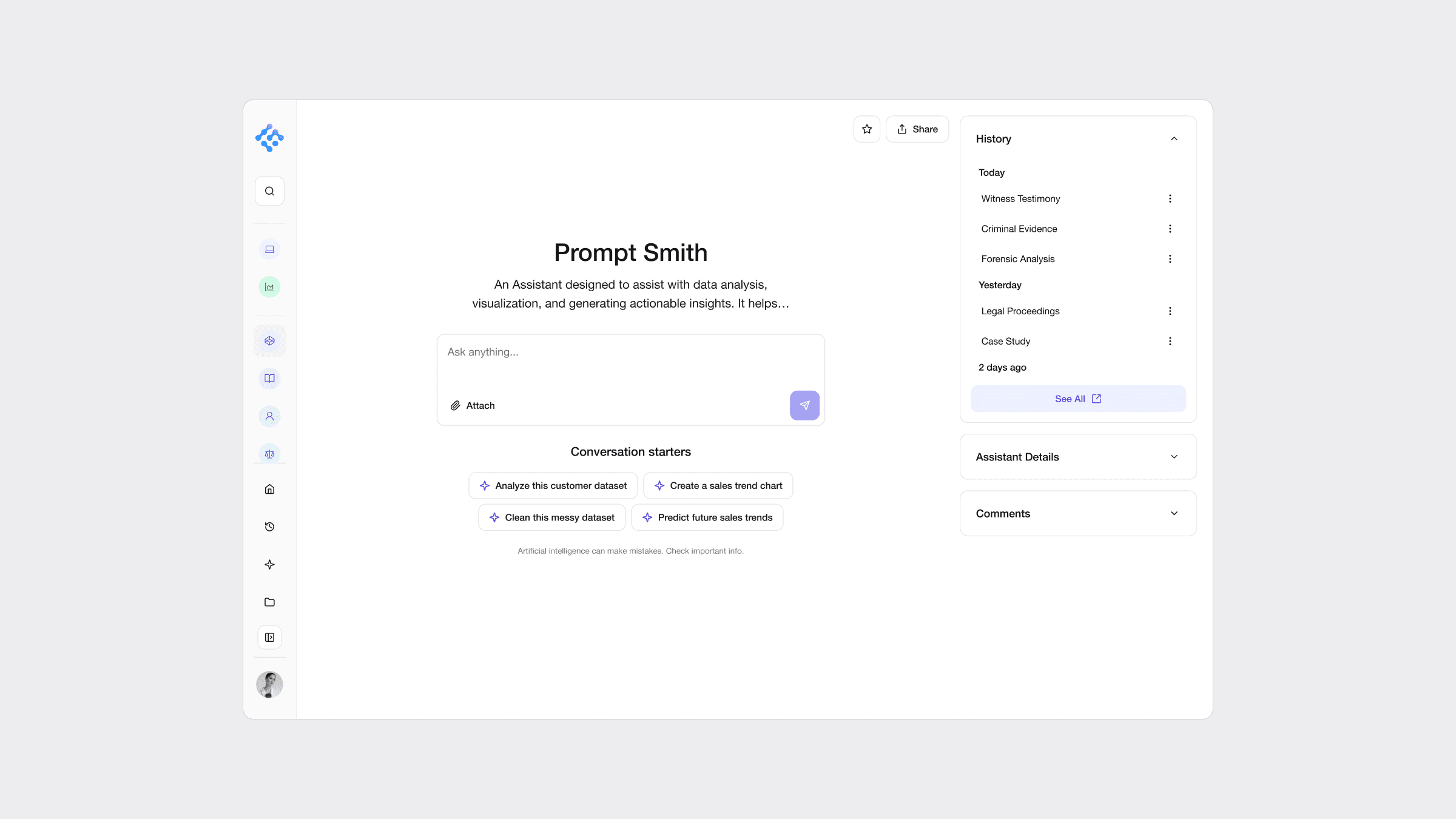
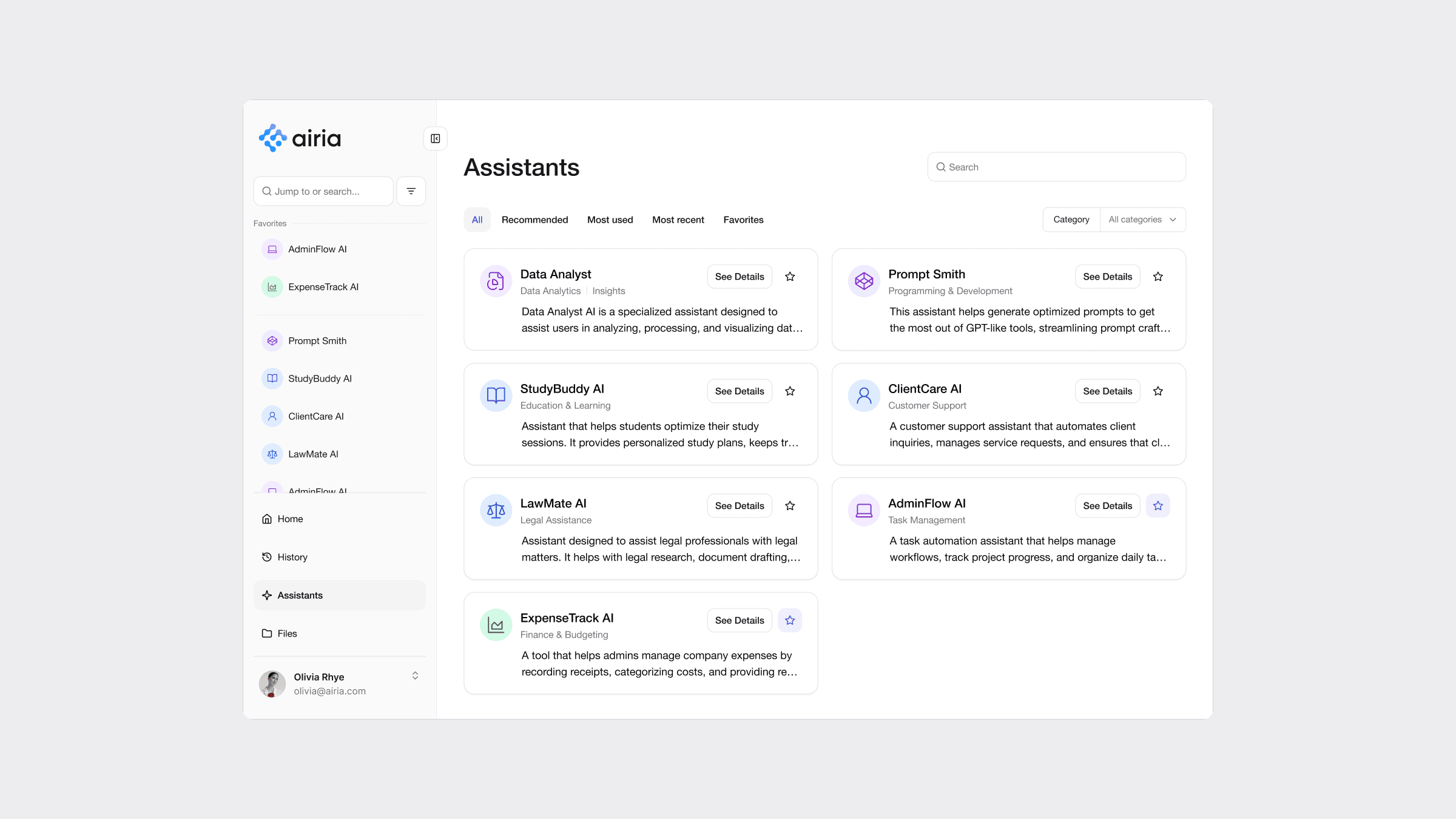
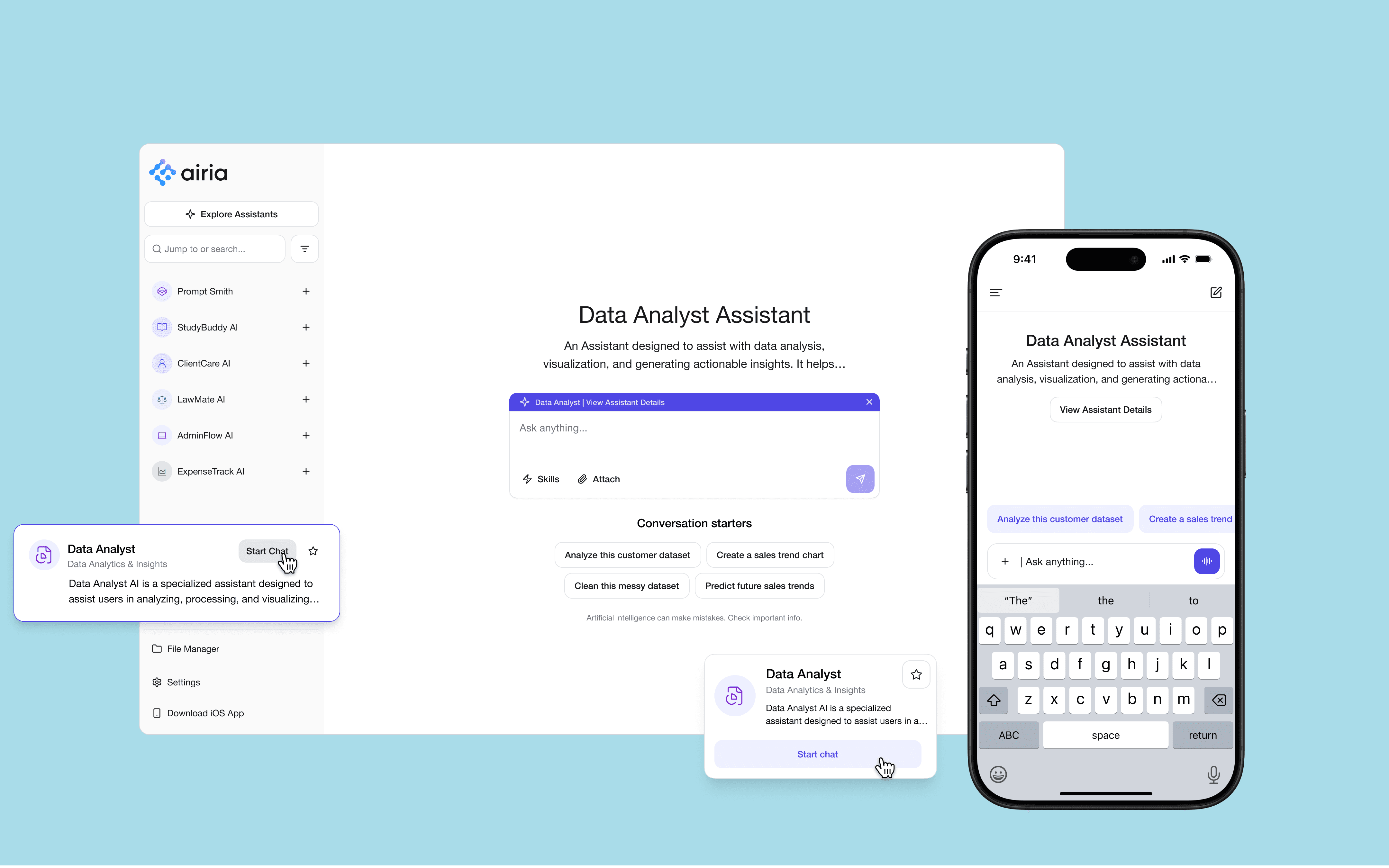
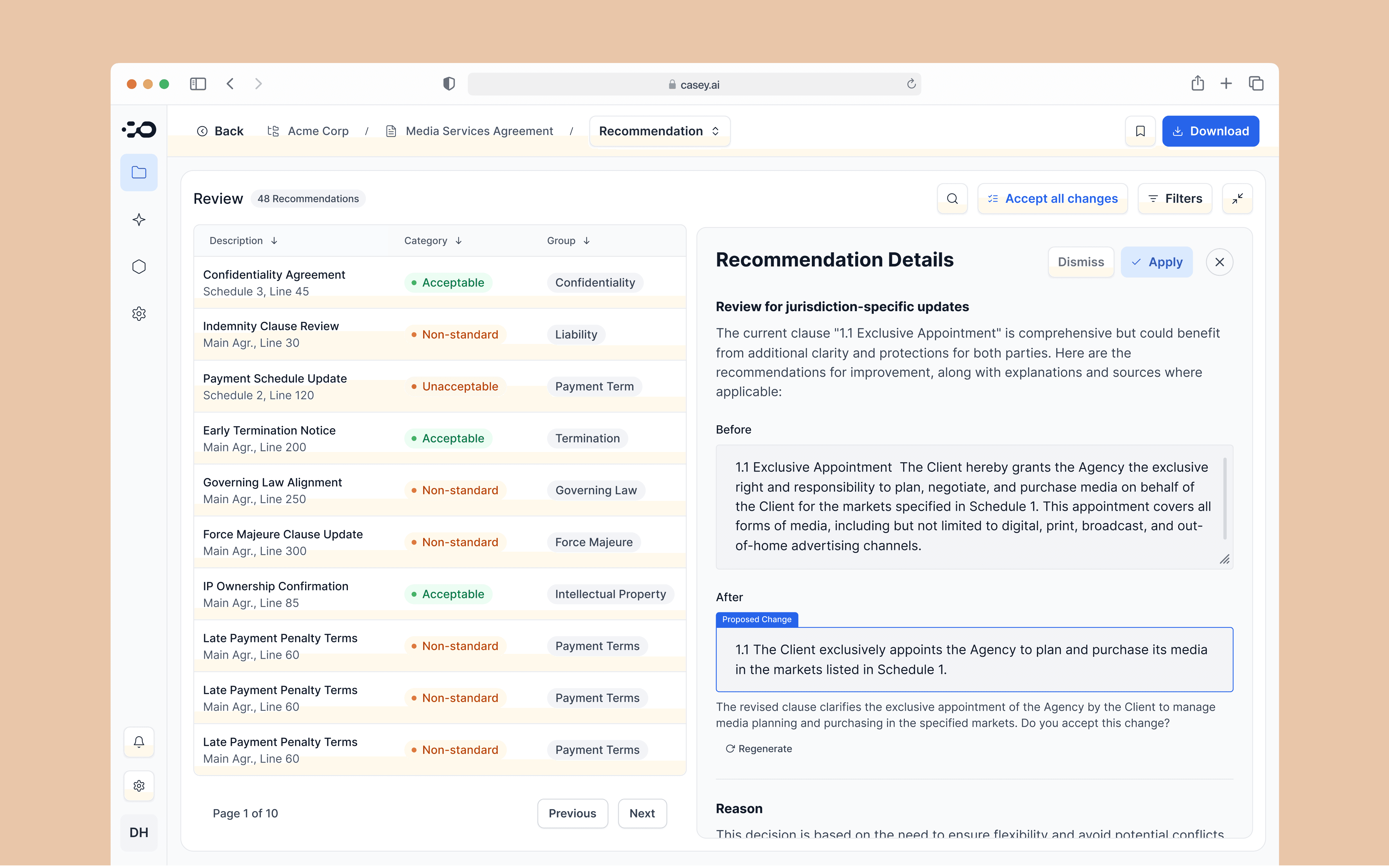
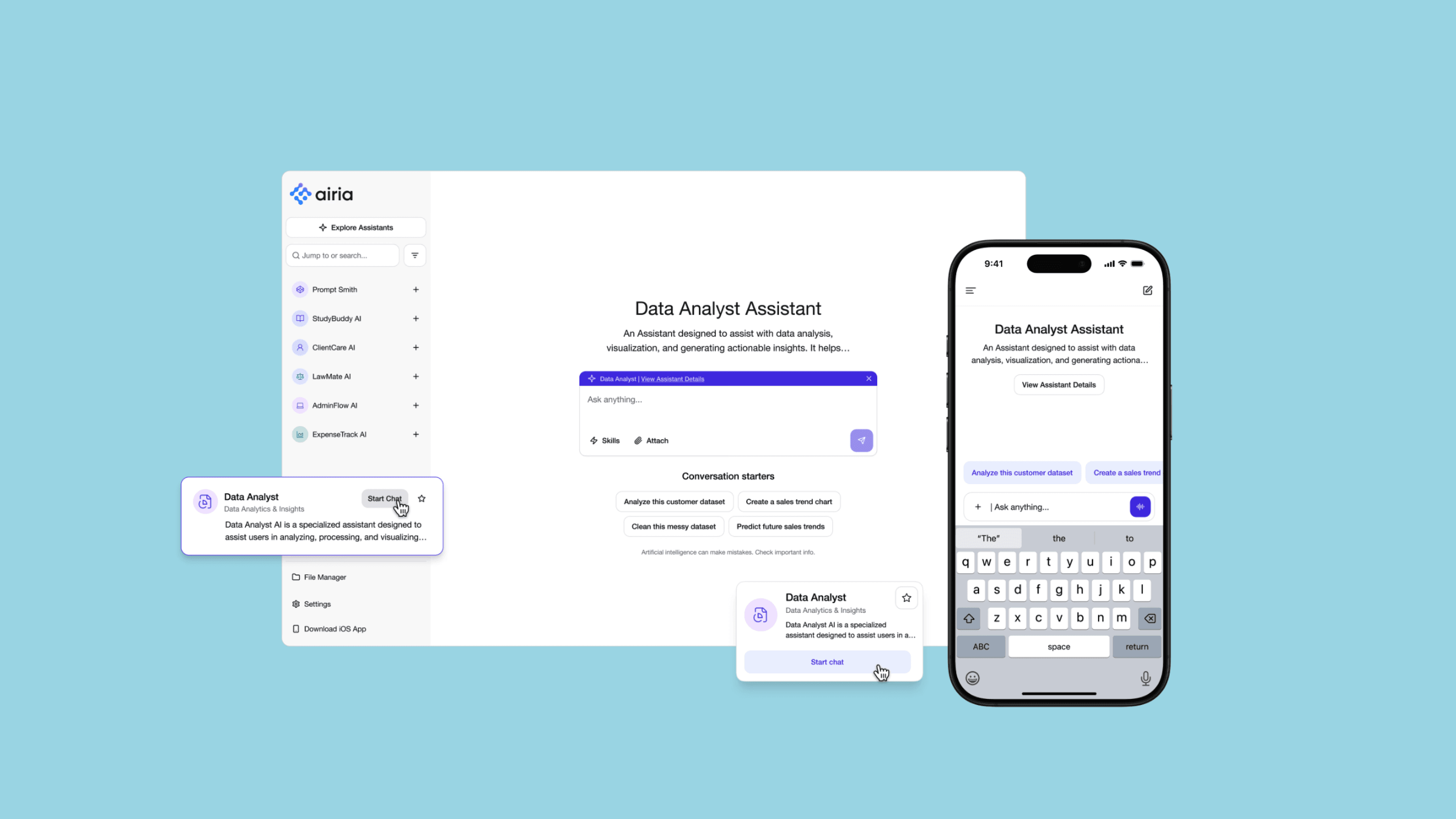
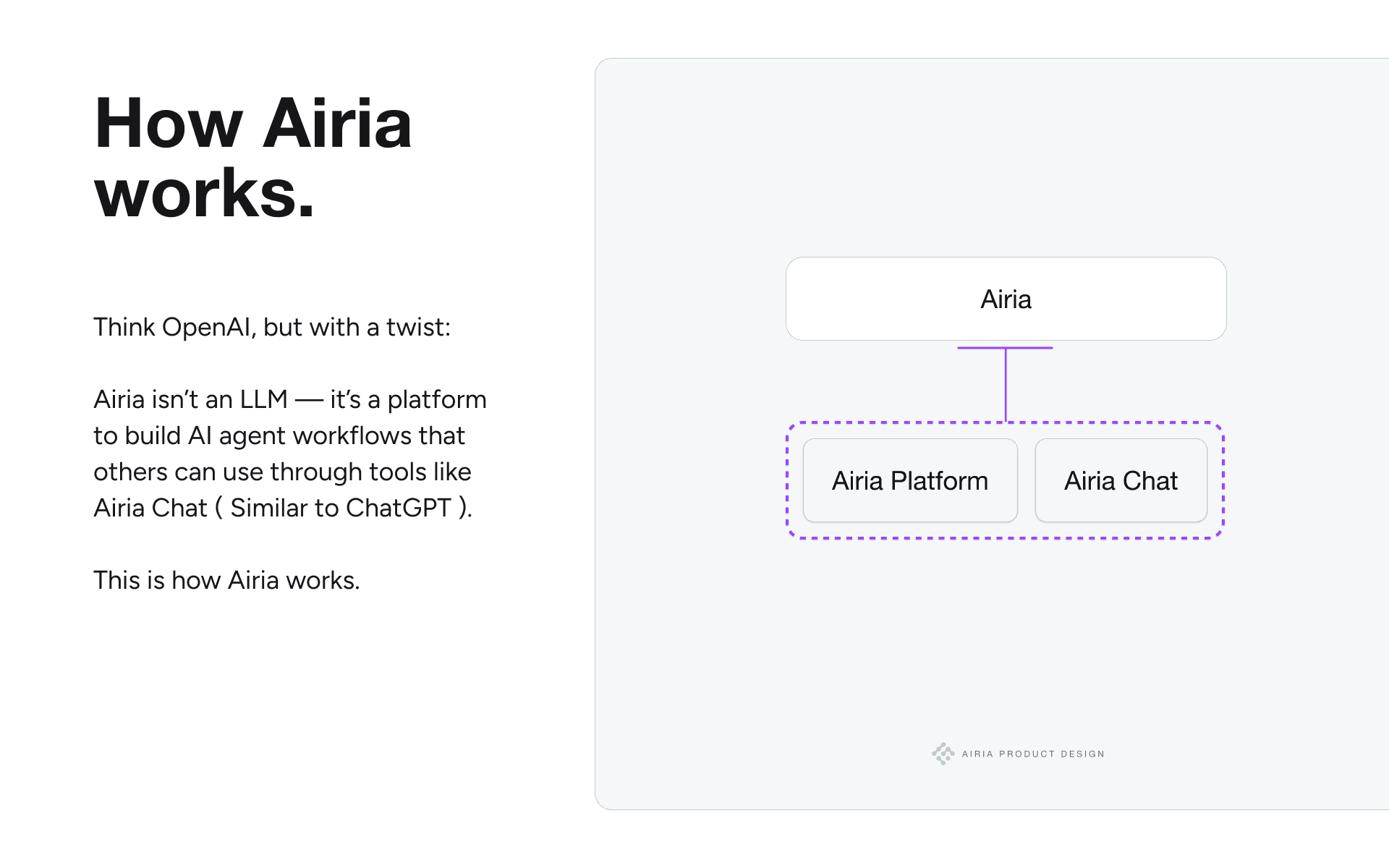
Airia’s strategy is built around a core platform for creating AI agents, and tools where users interact with them across web, iOS, and Android.
Problem
Like most early-stage startups, things moved fast and that speed came with many design debts.
The founder invested heavily in sales reps and consultants to gain traction and learn from customers. I found myself in a familiar startup environment: organized chaos.
With a small team of just 4 designers, we were constantly pivoting, moving quickly, and adapting UX flows to help the company engage and retain users.
The biggest challenge? We didn’t have time or systems in place to gather feedback from real users. Instead, insights came through sales reps who spoke with customers, then passed that info to PMs, who passed it to design.
Turning vague feedback into fast, functional flows with limited resources and no time for testing or QA was the daily reality.
Process
Airia Chat
In my first week, during an on-site in Miami, there was no design system. I used Apple’s native library since the team was focused on validating the market through an iOS app.
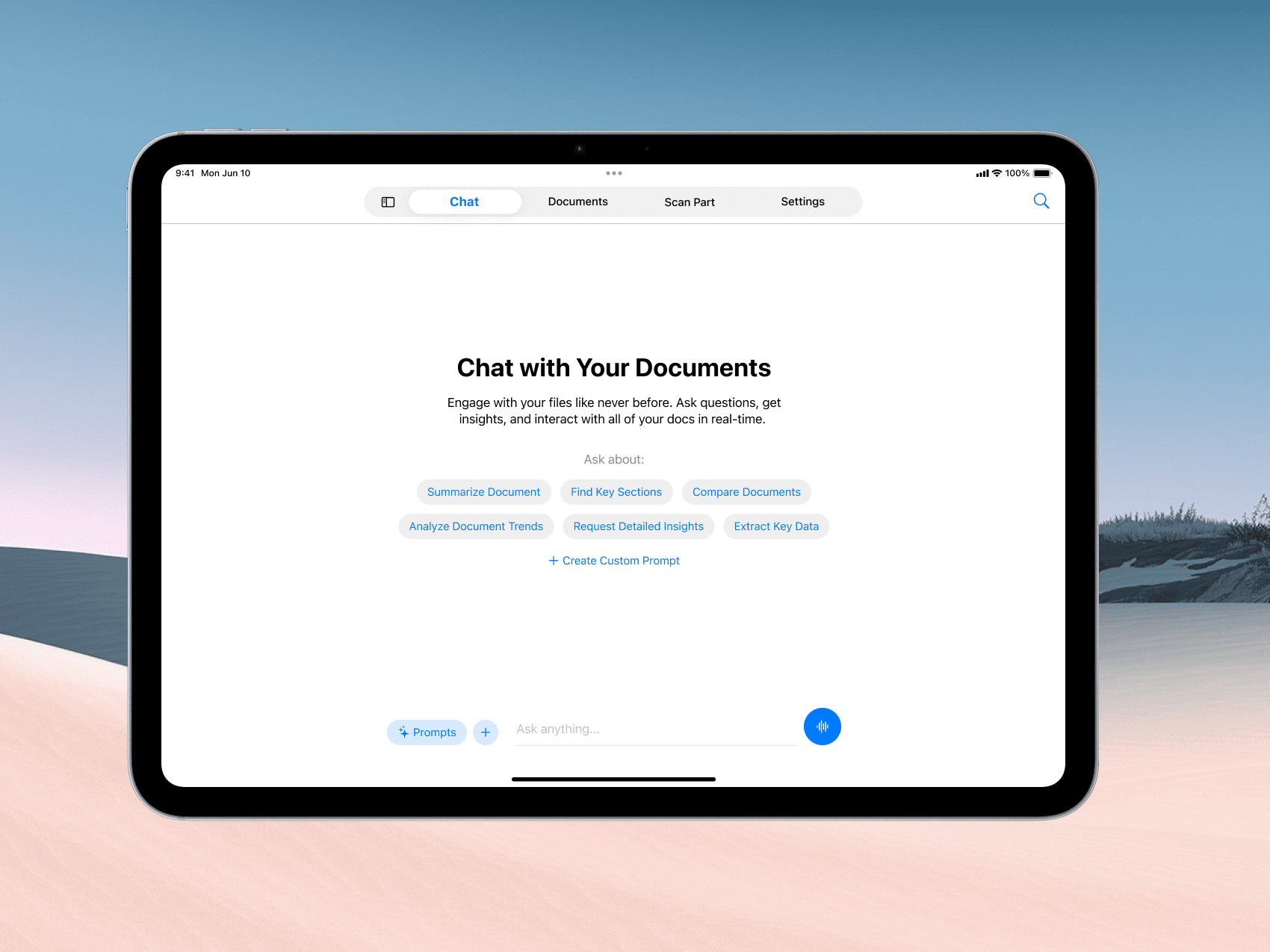
Within 2 months, the product shifted to a web app. By then, I had already started a design system (not the focus of this case study) and we launched an MVP. 🔔 Will add video soon
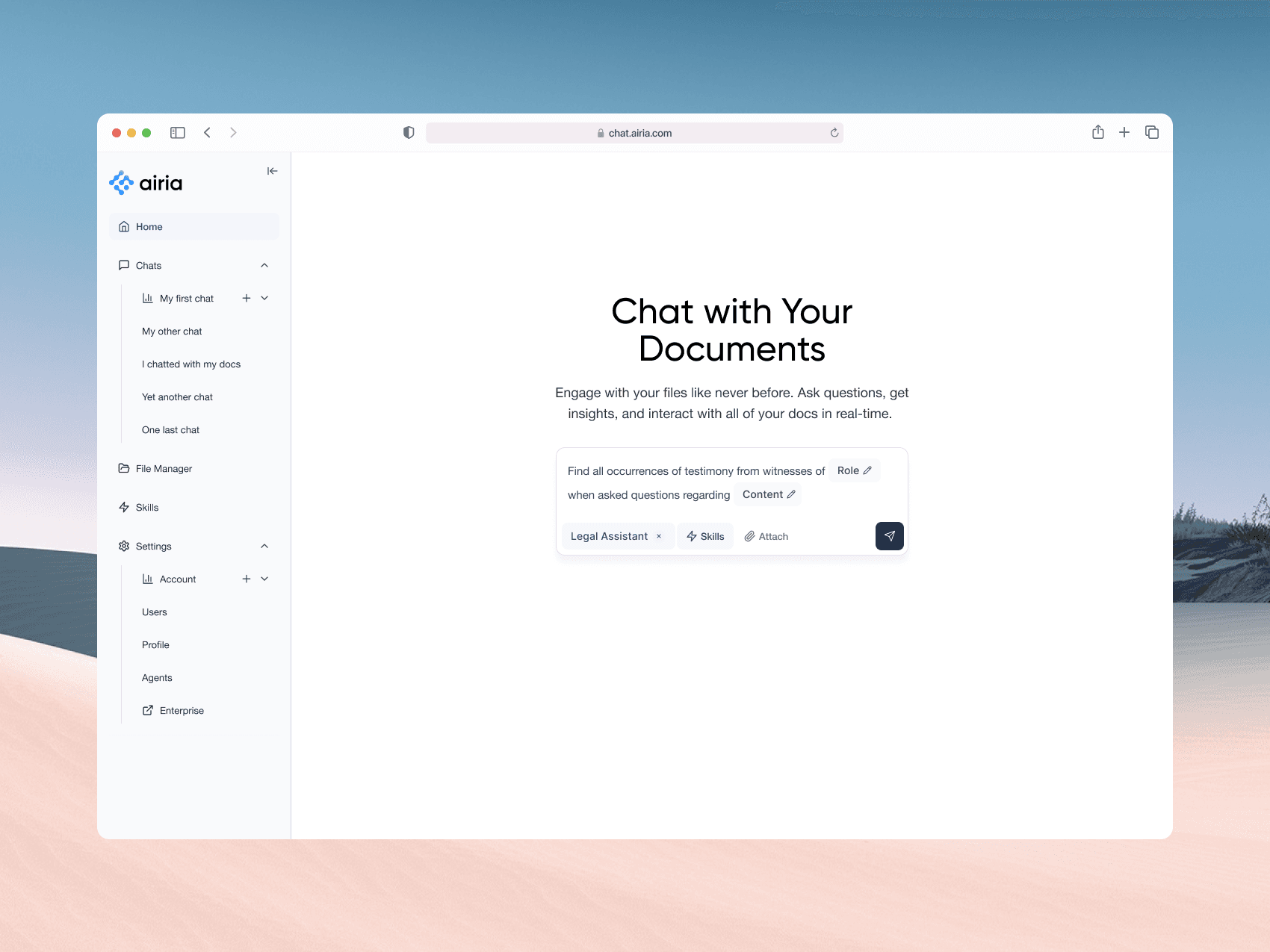
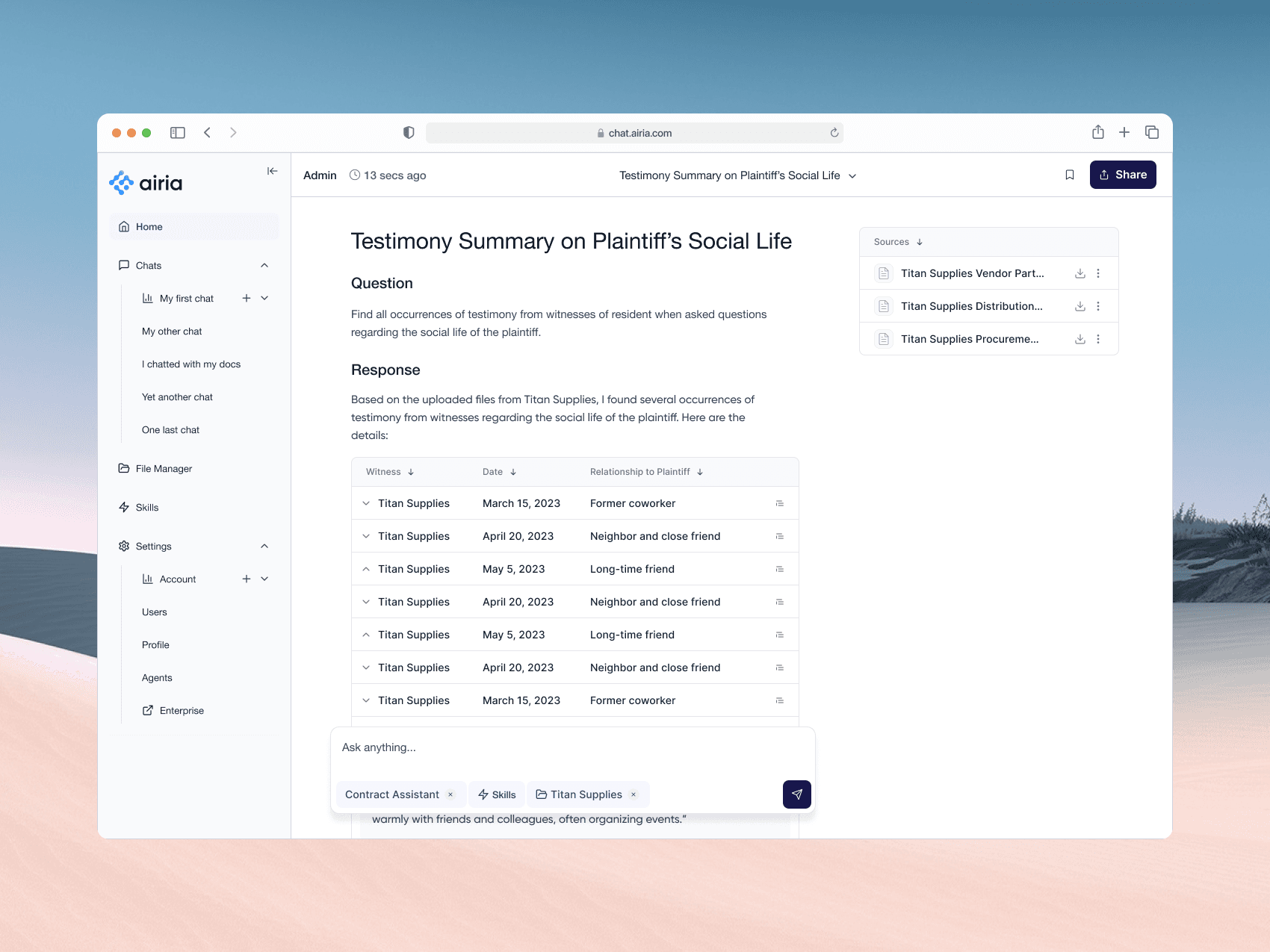
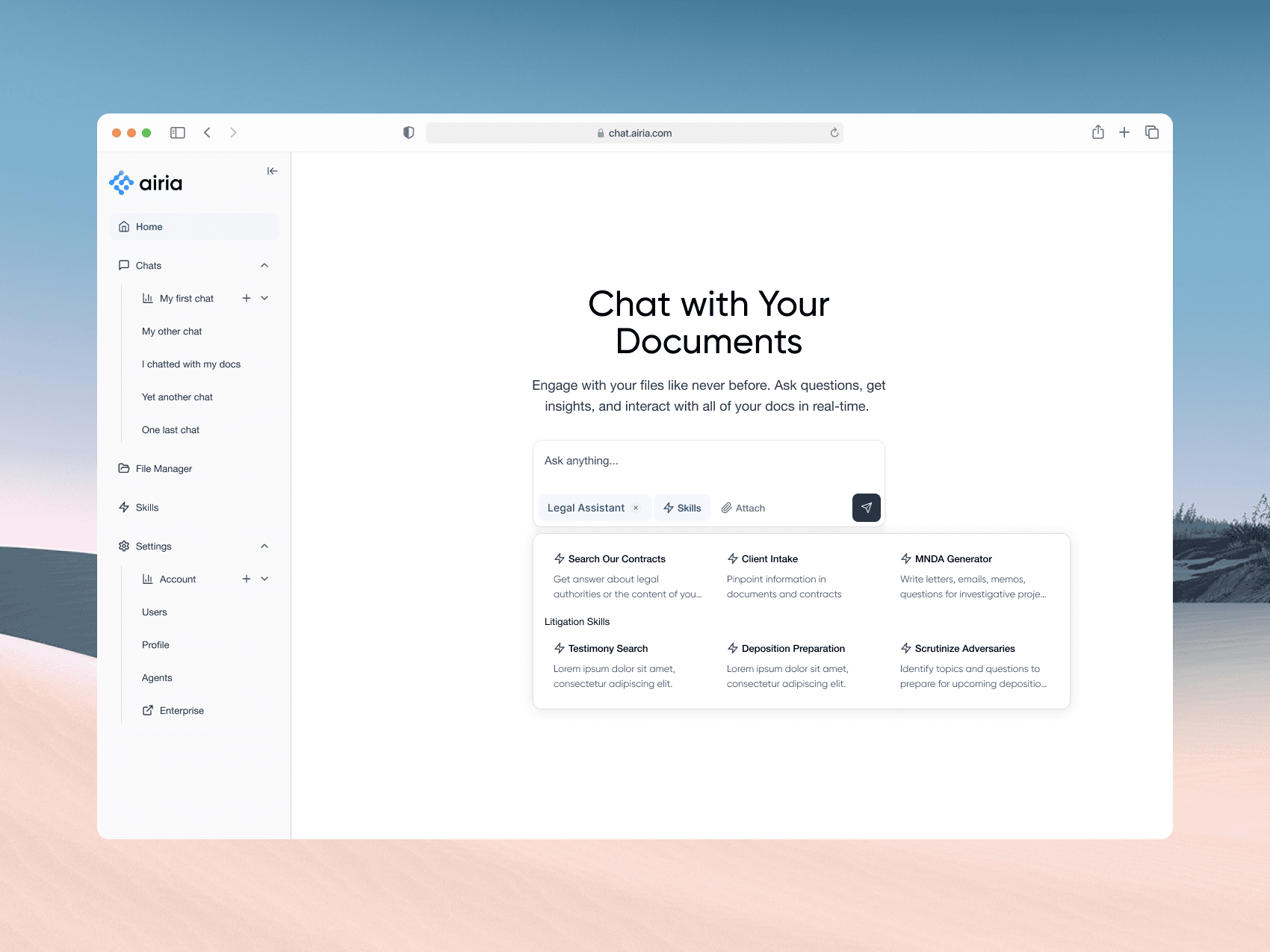
By month 5, the product evolved toward agentic workflows, and I introduced new UX patterns to meet those requirements.
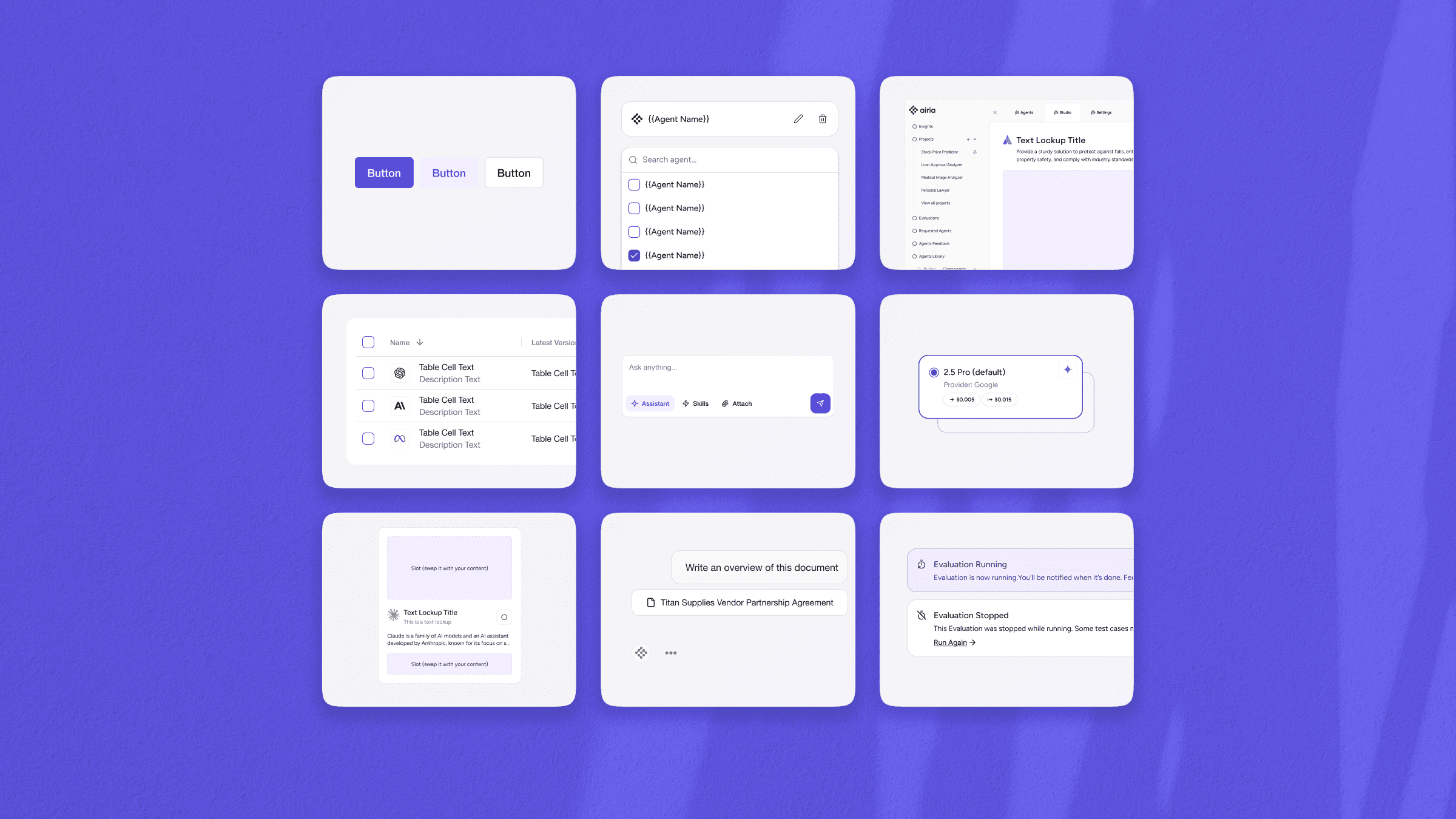
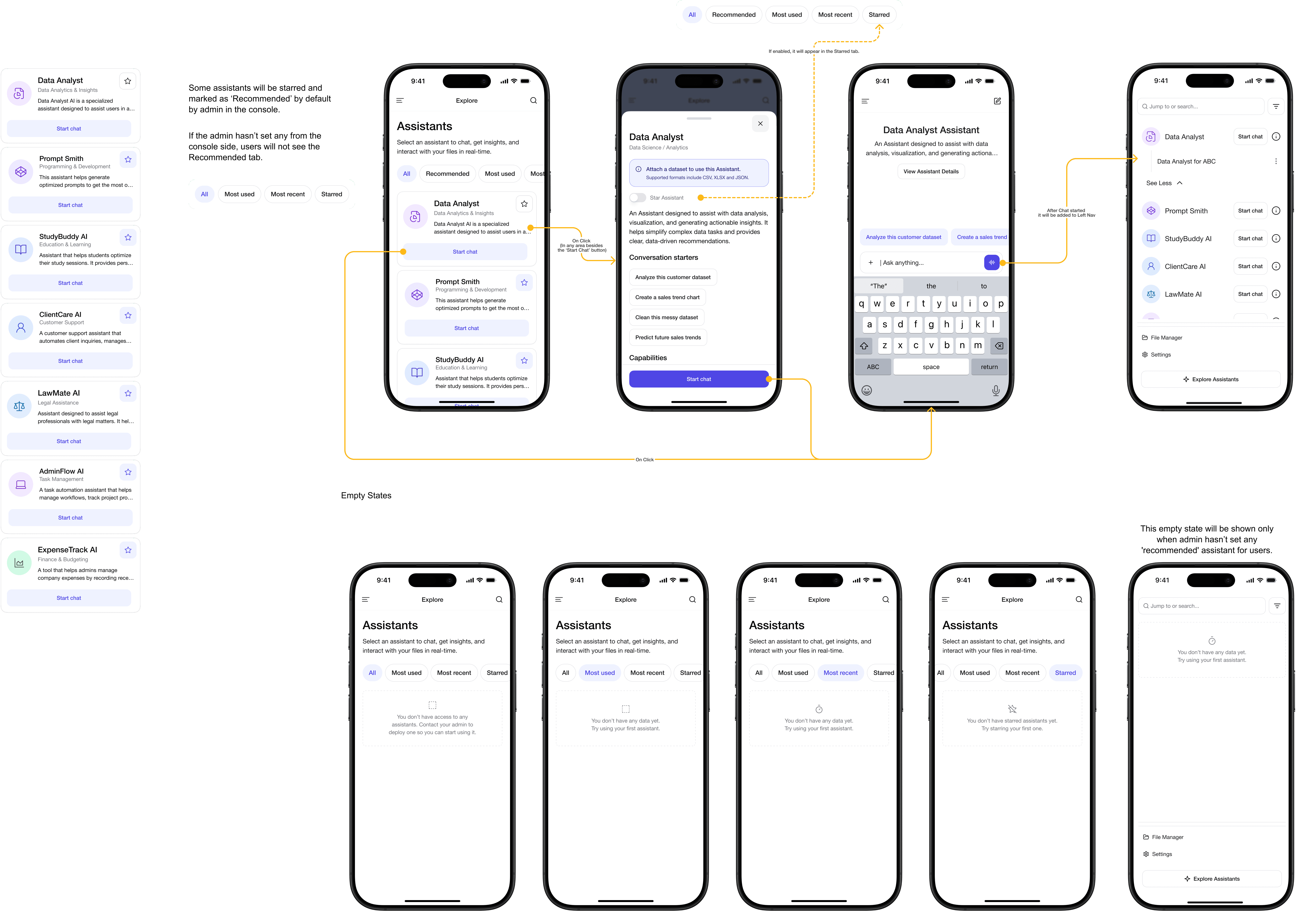
The design system had matured into a simple, functional setup. All experiences were also adapted for iOS, so I was designing across both web and native platforms. 🔔 Will add video soon
Example of iOS:
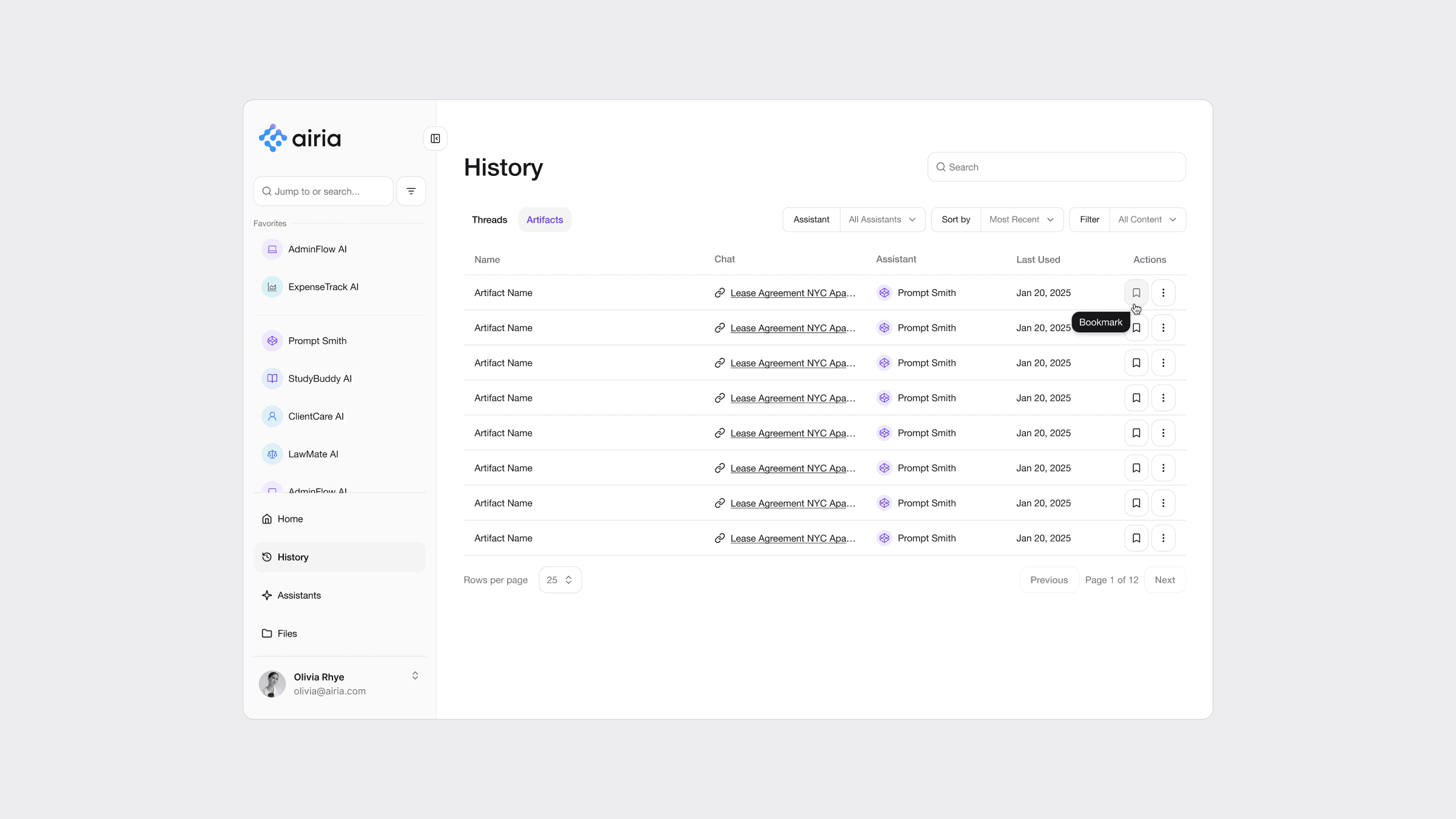
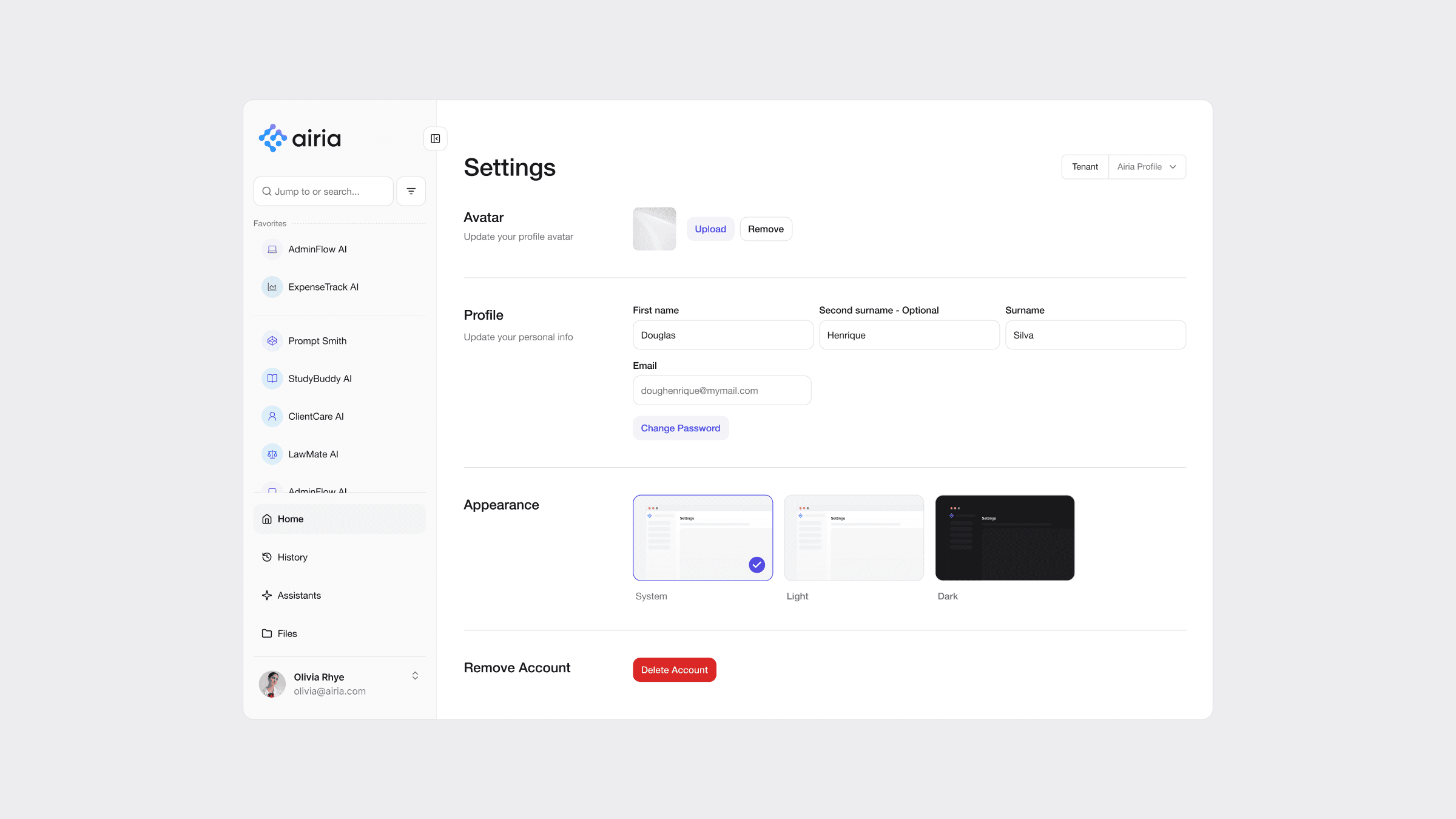
Examples of Web: